
Vulnerabilities
7 Mistakes That Leave Microsoft Exchange Servers Open to Attack
Most Microsoft Exchange breaches stem from delayed patching and misconfigured proxy settings rather than novel zero-day exploits or complex attack chains.
Vulnerabilities coverage from DarkWeb Headlines holds 41 articles, 26 of them reference guides. The newest was published on October 16, 2026. New stories are added as soon as they are confirmed, from more than 150 sources checked as often as every 45 seconds. Each story lists its sources. Primary sources we follow for this section include MITRE CWE and CISA Known Exploited Vulnerabilities Catalog.
Most Microsoft Exchange breaches stem from delayed patching and misconfigured proxy settings rather than novel zero-day exploits or complex attack chains.

Business logic flaws bypass standard security controls because the application behaves exactly as coded, requiring manual analysis rather than automated scanning to fix.

Most typosquatting infections occur because development workflows rely on visual package names and skip cryptographic verification of the source code signature.

Time-of-check to time-of-use flaws occur because systems verify a condition and then act on it, allowing attackers to alter the state between those two discrete moments.

Tracking vulnerability identifiers without mapping them to your specific asset inventory creates noise that hides critical risks and wastes engineering hours.

Small teams face disproportionate risk from browser exploits because they lack the isolation layers that large enterprises use to contain unpatched code execution.

Network operators often misjudge risk by assuming hardware isolation prevents software exploits, leading to overlooked attack surfaces in management planes.

Out-of-band patches bypass standard update cycles to fix severe flaws, requiring immediate testing to prevent service disruption in small business environments.

Restricting the parser to plain data structures prevents remote code execution without requiring complex application logic changes.

Java deserialization flaws allow remote attackers to execute arbitrary code on your server, often bypassing standard web application firewalls and requiring immediate process isolation.

Abandoned cloud services and forgotten DNS records create hidden entry points that attackers use to hijack your brand identity and steal user sessions.

A minor flaw in system access controls allows an attacker to bypass restrictions and gain administrative rights over your entire device.
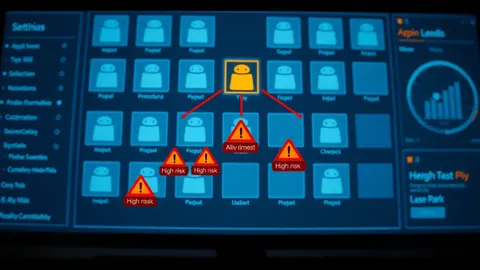
Vulnerability management turns passive inventory into active risk reduction by prioritizing fixes based on exploitability rather than severity scores.

Modifying shared object templates silently corrupts logic across your entire application without leaving obvious error traces in standard logs.

Dynamic testing finds logic flaws that static analysis misses, but it requires a running application and often triggers false positives that demand manual verification by security analysts.

Page builders alter the WordPress core execution flow, creating unique attack surfaces that standard vulnerability scanners often miss entirely.

Authorization bypass flaws let users access data they should not see by tricking the system into trusting their identity without proper permission checks.

A critical vulnerability in Siemens Industrial Edge Device Kit allows authenticated users to access restricted internal APIs and potentially delete system data.

A critical vulnerability in IBM i HTTP Server Administration allows authenticated attackers to execute code on versions 7.3 through 7.6.

IBM DataStage on Cloud Pak for Data 5.4.0.0 contains a critical path traversal flaw that allows authenticated users to cause denial of service.

Unauthenticated attackers can exploit CVE-2026-109573 in phpMyFAQ versions prior to 4.1.9 to steal credentials and modify database records through a flawed escape mechanism.

The easy-pdf-merge library allows attackers to run operating system commands by injecting shell characters into file paths or configuration options.
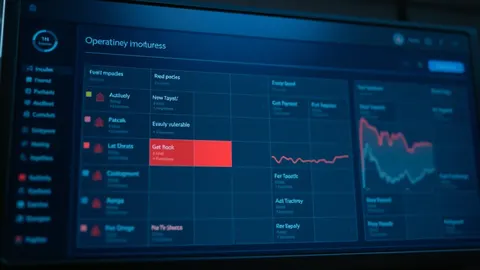
Vulnerability management prioritizes fixes by business impact rather than severity scores, revealing that some high-risk flaws require no immediate action.

A security researcher received a $90,000 bounty from Google for reporting a remote code execution flaw, as shared on Reddit.