Review iPhone Security After Reports of Dutch Intelligence Compromise
Dutch intelligence accessed Jared Kushner’s iPhone data via a Russian operative, raising questions about device security and state-level access.
Key points
- Dutch MIVD obtained screenshots from Jared Kushner’s iPhone X through a GRU server.
- A Russian GRU operative switched allegiance to avoid British arrest and espionage charges.
- The device used in late 2017 had Face ID, which did not prevent the data exposure.
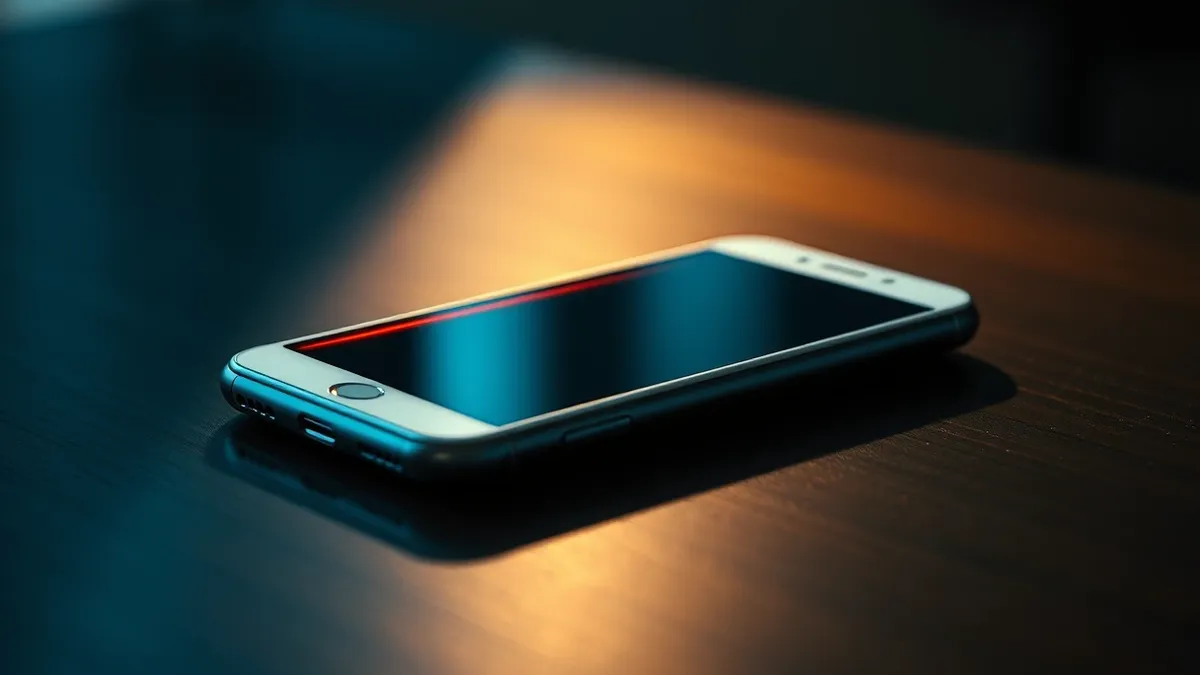
Dutch intelligence agencies accessed data on Jared Kushner’s iPhone X, revealing screenshots and potential financial details, according to a Vanity Fair report. The incident involves state-level actors, including the Netherlands Defense Intelligence and Security Service (MIVD) and a former Russian GRU operative. Users of Apple devices should understand how state-sponsored access differs from typical cyber threats. This event highlights the persistence of intelligence services in compromising high-value targets.
Root cause
The exposure originated from a GRU server located in Rostov, Russia, which stored stolen data and hacking tools. The Dutch MIVD accessed this server after a GRU operative defected to avoid arrest in the UK. The operative provided the Dutch with access to the GRU’s assets, including the Kushner data. This chain of custody allowed intelligence agencies to view contents that were otherwise secured by device features.
Attack path
The GRU operative was traveling to the UK for an espionage mission when British and Dutch authorities intervened. Facing arrest, the operative agreed to work for the Dutch against the GRU. This cooperation granted the MIVD access to the GRU’s remote server. The Dutch team then reverse-engineered the Russian penetration of Kushner’s iPhone, finding screenshots stored on the server. The path relied on human intelligence and defection rather than a direct technical exploit.
Affected versions
- iPhone X models used in late 2017
- Devices compromised via GRU server access
- Systems targeted by state-level intelligence operations
Mitigation
- Monitor accounts for unauthorized access or unusual transactions
- Use strong, unique passwords for financial and personal accounts
- Enable two-factor authentication on all sensitive services
- Review device security settings and update software regularly
For customers and users
Individuals should monitor their financial accounts for unusual activity, especially if they handle sensitive data. Check login histories on devices and change passwords for critical services. Be wary of phishing attempts that reference recent news events. Teams usually advise verifying unexpected communications through separate channels. Users should remain vigilant about state-level threats that may target high-profile individuals or specific sectors.
Background: Unauthorized access
Stop unauthorized access by enforcing strict identity verification, minimizing the data surface available to attackers, and continuously monitoring system integrity. This checklist covers identity controls, data protection, and network segmentation to reduce the risk of intrusions.
Read the full guide: Unauthorized Access Prevention Checklist for Systems
What to do and how to stay safe: iPhone X
- Check bank statements for unauthorized transfers or unfamiliar transactions
- Enable two-factor authentication on email and financial accounts
- Review device access logs for unknown logins or suspicious activity
- Update device software to the latest version once available
Step-by-step guide: Passkeys Explained: How Passwordless Login Actually Works
General security guidance from the DarkWeb Headlines newsroom. It is not confirmed advice from the organisations named in this story.
Frequently asked questions
Was Jared Kushner’s iPhone hacked directly by the Dutch?
No, the Dutch accessed data from a GRU server that contained screenshots of his iPhone.
What model of iPhone was involved?
The iPhone X, released in November 2017, was the device in question.
Did the Russian operative act alone?
No, he worked for the GRU before defecting to the Dutch MIVD.